
What Is Cash on Delivery (COD) in Ecommerce? How It Works in Africa
A clear explanation of cash on delivery: how a COD order moves from the ad to your payout, why it dominates in Kenya, Tanzania, Ghana and Zambia, its real costs and risks, and how sellers make it profitable.
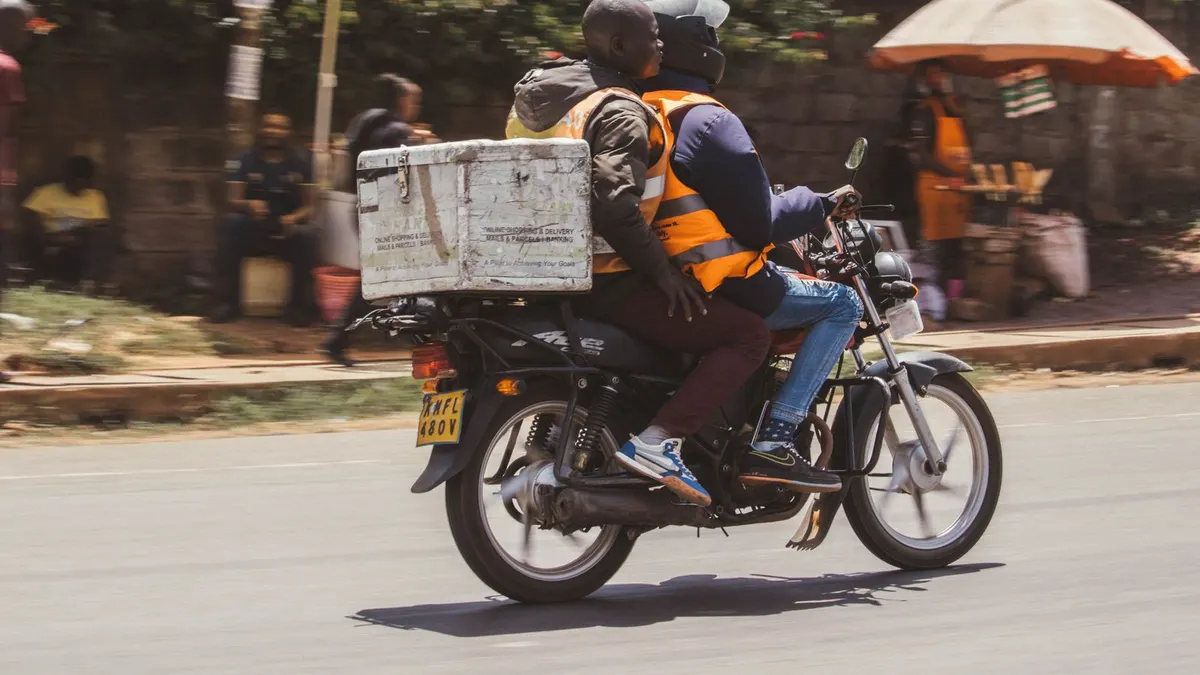
1. What cash on delivery means
Cash on delivery (COD) is a way of selling online where the customer pays only when the parcel is in their hands — in cash or by mobile money to the delivery agent. The customer orders without a card, without an online payment and without risk. The seller, on the other hand, carries the cost of the ad, the stock and the delivery until the money is collected.
In many African markets COD is not one option among others: it is the way people buy online. If your store does not offer it, most visitors simply do not order.
2. The life of a COD order
- The ad. A customer sees your Facebook or TikTok ad and lands on your product page.
- The order form. They leave their name, phone number and city — no payment.
- Confirmation. A call center agent calls the customer, checks the order, the quantity and the address, and filters out fake or duplicate requests.
- Packing and dispatch. The confirmed order is picked from stock in a local warehouse and handed to a delivery agent.
- Delivery and collection. The customer receives the parcel and pays. If they refuse, the parcel returns to stock.
- Reconciliation and payout. Collected cash is matched to each delivered order, fees are deducted, and the seller is paid.
Each step can lose an order. That is why COD sellers watch two rates more closely than anything else: the confirmation rate and the delivery rate. We explain both in COD metrics explained.
3. Why COD dominates in African markets
- Trust. Many shoppers have been burned by online scams. Paying at the door removes that fear.
- Few bank cards. A large part of the population pays with cash or mobile money, not with cards accepted by online stores.
- Impulse buying from ads. Most orders come from social media ads. A short form with no payment step converts far better.
- Mobile first. Customers order from their phones in seconds; COD keeps it that simple.
This is true in Kenya, Tanzania, Ghana and Zambia alike — see our guide comparing the four markets.
4. The real costs and risks of COD
| Risk | What happens | How to reduce it |
|---|---|---|
| Fake or impulsive orders | The customer never meant to buy or changes their mind. | Fast confirmation calls, clear price on the page. |
| Refused deliveries | You pay for a trip that brings no cash. | Confirm the address and the delivery day; deliver within 24–48 hours. |
| Cash flow | Money is collected days after you paid for ads and stock. | Weekly payouts and, when needed, cash-flow advances. |
| Stock in the wrong place | Orders wait while stock travels. | Keep stock in a local warehouse in each market. |
5. How sellers make COD profitable
- Price with room. COD products are usually sold at 3 to 5 times their landed cost, because ads, delivery and failed orders must fit in the margin.
- Call fast. A customer called within minutes still remembers the ad. Speed is the single biggest lever on confirmation.
- Deliver fast. The longer the wait, the more refusals. Local stock makes 6–48 hour delivery possible.
- Raise order value. Bundles and "buy 2" offers spread the delivery cost over more units.
- Measure per delivered order. Not per lead, not per click. Check your numbers with the COD profit calculator.
Next step
CODSwiftly runs the whole COD backend in Kenya, Tanzania, Ghana and Zambia: free call center confirmation, free storage, delivery, free returns and weekly payouts. You pay only for delivered orders. New to COD? Start with how to start selling COD in Africa.
Let CODSwiftly run your COD operations
Free call center confirmation, free storage, delivery and weekly payouts in Kenya, Tanzania, Ghana and Zambia.